Antonio Banderas, fresh from his awkward performance in the disastrous
THE THIRTEENTH WARRIOR, makes his inauspicious directorial debut in
CRAZY IN ALABAMA. A cinematic hash of stale ingredients lifted from
other movies, CRAZY IN ALABAMA includes a wacky woman, a cheesy chase, a
racial rebellion, an aspiring actress and stupid-sounding Southerners.
It's a comedy that's not even close to being funny and a drama about the
civil rights movement that's not the least bit moving.
The picture, set in the summer of 1965, stars Banderas's real-life wife
Melanie Griffith as Lucille, a murderer with seven kids less than eight
years old -- her husband, she claims, kept putting holes in her
diaphragm. She brags before the opening credits that she sliced off her
husband's head for saying no when he should have said yes. She leaves
her brood with her mother and flies the coop, as she is chased by
incompetent cops. Griffith seems to specialize these days in giving
clichéd performances in roles that are already written as little more
than caricatures.
Lucille, who keeps her husband's severed head in her hatbox, wants to be
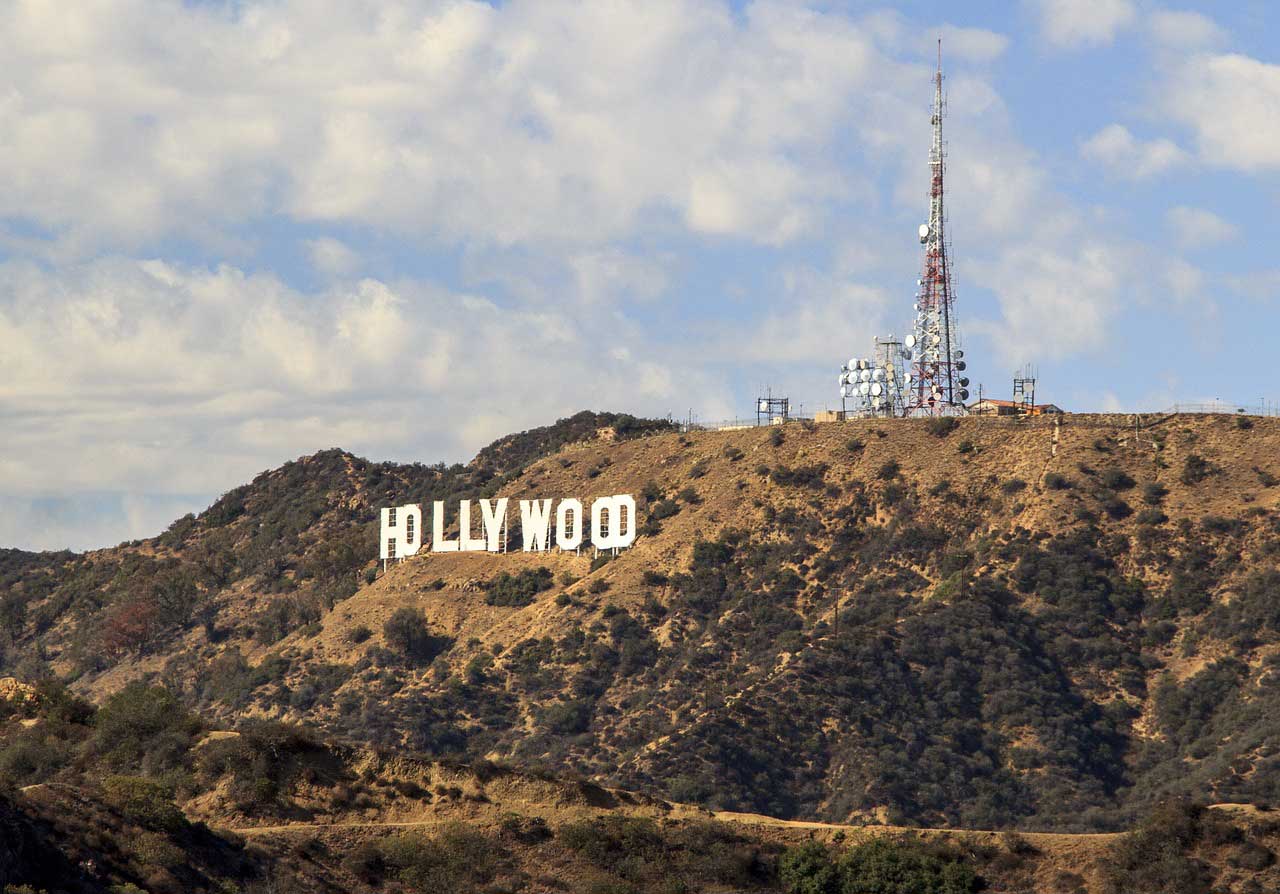
an actress, so she's off to Hollywood to seek her fame and fortune.
She's chosen Carolyn Clay as her stage name since it's "kind of like
Marilyn Monroe, only different." Did I mention that the boxed head
talks to her?
Meanwhile, back at the local swimming pool, some "Negroes" are daring to
swim with the whites. Prejudiced Sheriff John Doggett (Meat Loaf) stops
by to spout such classic lines as, "You got no rights in my town, boy."
The sheriff unintentionally kills one of the black boys when the boy
tries to escape. The sheriff claims the boy fell and doesn't admit that
he was pulling him off of the fence at the time.
Lucille's nephew Peejoe (Lucas Black) is a 13-year-old who is troubled
by discrimination. He complains to his Uncle Dove (David Morse) that
Negroes shouldn't be kept from registering to vote. "You're right," his
uncle tells him. "It's not fair. It's just the way things are."
Peejoe ends up being a hero for telling the truth about the swimming
pool incident.
Mark Childress's script, based on his novel, is a treasure trove of
eclectic lines -- sometimes ponderously pretentious and other times
overly cute. ("Life and death are only temporary, but freedom goes on
forever," Peejoe lectures us in voice-over. "I just love the sounds of
an authentic peasant accent," a Hollywood socialite, played by Elizabeth
Perkins, says of Lucille's speech.)
Rod Steiger drops by towards the end to chew up the scenery as the local
judge. Steiger tries without much luck to breathe life into the picture
by recasting it as an over-the-top parody. In a movie that wastes vast
amounts of money authentically recreating the mid-1960s, why do they let
Steiger wear the same 1990s designer frames that he has in real-life?
When I met him earlier this year, he had on these exact glasses.
Does this abysmal movie have any saving grace? Yes. The dazzling,
vintage automobiles, like Lucille's cherry red 1964 Ford Galaxy, look so
new that you'd swear no one has ever ridden in them before. The bright,
primary colored cars shine with the same radiance that they must have
given out on the day that they left the factory floor. Enjoy them as
much as you can. They're the best part of the production.
CRAZY IN ALABAMA runs a long 1:51. It is rated PG-13 for some violence,
thematic material, language and a scene of sensuality and would be
acceptable for kids 10 and up.
Copyright © 1999 Steve Rhodes